
Defending Democracy: An Interview with Anne Applebaum
Reflections on our October 17th Podcast Conversation *


As a kick-off to the No Kings 2 protest, Pulitzer Prize-winning author Anne Applebaum was our featured guest on the October 17th edition of “In the Know Live” and our new Indivisible Charlotte podcast. Applebaum discussed her book, Autocracy, Inc., issues surrounding the US’ move to illiberal democracy, and how activists can battle democratic backsliding. Questions discussed included:
What is the focus of 21st Century autocrats?
Has the US abandoned liberal democracy?
Does Trump have any choice but to stay in power?
What is a historical example of a successful fight against autocracy?
How important is protest?
What can activists do?
1. What is the focus of 21st Century autocrats?
21st century autocrats differ from dictators like Stalin and Hitler, who were focused on power and control. Modern dictators in countries like Russia, China, Iran, North Korea, Venezuela are driven by amassing wealth. These countries form a network and cooperate to use the international financial system to steal and hide money and cooperate militarily as well as economically.
These countries portray autocracy as stable and safe and democracy as weak and divided They use social media and disinformation to undermine support for democracy within countries and links between democratic allies. It expanded in the US in 2025.
2. Where is the US on the path to Illiberal Democracy / Competitive Authoritarianism?
Applebaum believes the US is quite far along the path and has moved rapidly into an “experimental phase.” The President has followed a plan, Project 2025, and has broken norms and laws, and has come close to fully defying the Supreme Court.
There’s room to fight this, but we’ve had mixed results. Congress can push back, but they refuse to act, because they’re afraid. The courts have not fully ruled on the various changes. There’s public opinion and its relative--- protest--- but that’s not a solution.
Applebaum’s biggest concern is our break with allies around the world, which are based on democratic values. These weakening relationships will threaten America’s global power, influence and prosperity. These values are undermined by things like tariffs, unjust quasi-military force against immigrants, and profound violations of American traditions and values.

3. Considering Trump’s questionable (and potentially illegal) actions, does he have any choice but to stay in power by any means possible?
Trump is using gerrymandering in various states (including North Carolina) to make the playing field un-level for the midterms, through legislative proposals in Texas, Michigan, and other states (including North Carolina). The Justice Department has demanded state voting records; this is likely aimed at tightening voting rules to prevent certain groups of people from voting.
Illinois Governor J.B. Pritzker charges that the militarized police force will intimidate voters or give the impression that there’s a state of emergency. Therefore, voting could be difficult, particularly in places with lots of Democratic voters. Republicans are trying to shape the electoral outcome using non-traditional methods.
According to Applebaum, the President is accruing all this power to himself and arguing for the supremacy of the executive. It’s unlikely that they’re going to willingly turn this enhanced Presidency over to a Democrat.
4. Poland: A historical example of a successful fight against autocracy
Poland in 2023 voted out a government that tried to skew the playing field, change the rules and make it difficult for the opposition to win. There was lots of pressure on the media as attempts were made to take over newspapers through oligarchic deals.
Parties with different agendas were able to form coalitions around very broad themes. This may be easier in a multi-party parliamentary democracy than in the US (Note: But is it possible for traditional Republicans, Independents and Democrats to form this kind of coalition in the United States?) Communication tools like TikTok, YouTube and podcasts were used by the coalition to get the message out.
5. How important is protest?
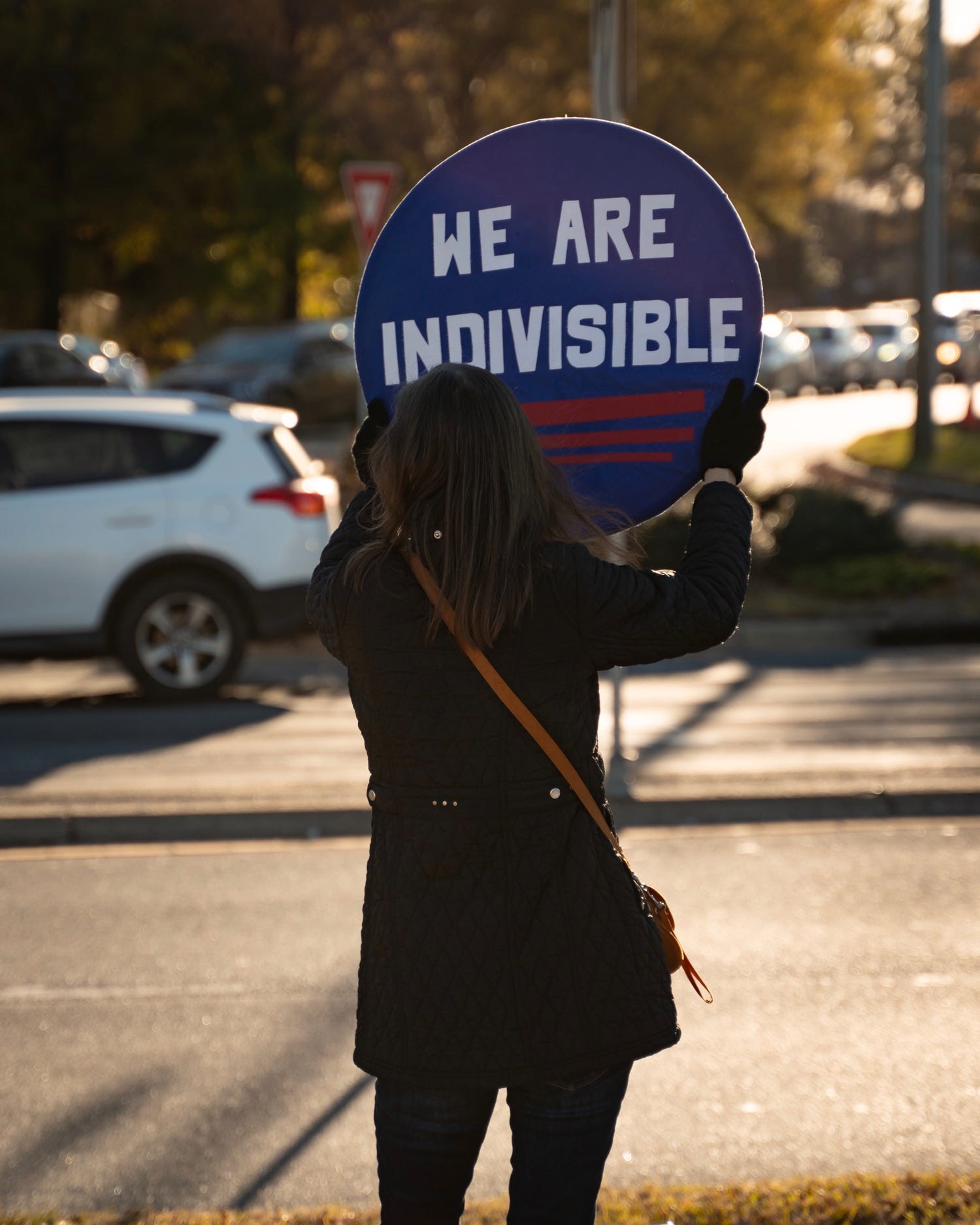
When asked about the “3.5% rule of thumb” (if 3.5% of the population becomes engaged in nonviolent protest against the government, it’s typically been successful) Applebaum indicated it depends on the context and purpose. She noted that protests don’t result in policy changes, rather they can change the atmosphere and reverse the ruling group’s sense of inevitability. Protests can change news coverage and people’s perception, since they can create solidarity among folks who feel they are alone. Protests can create connections and motivate people before political campaigns.
6. What can political activists do?
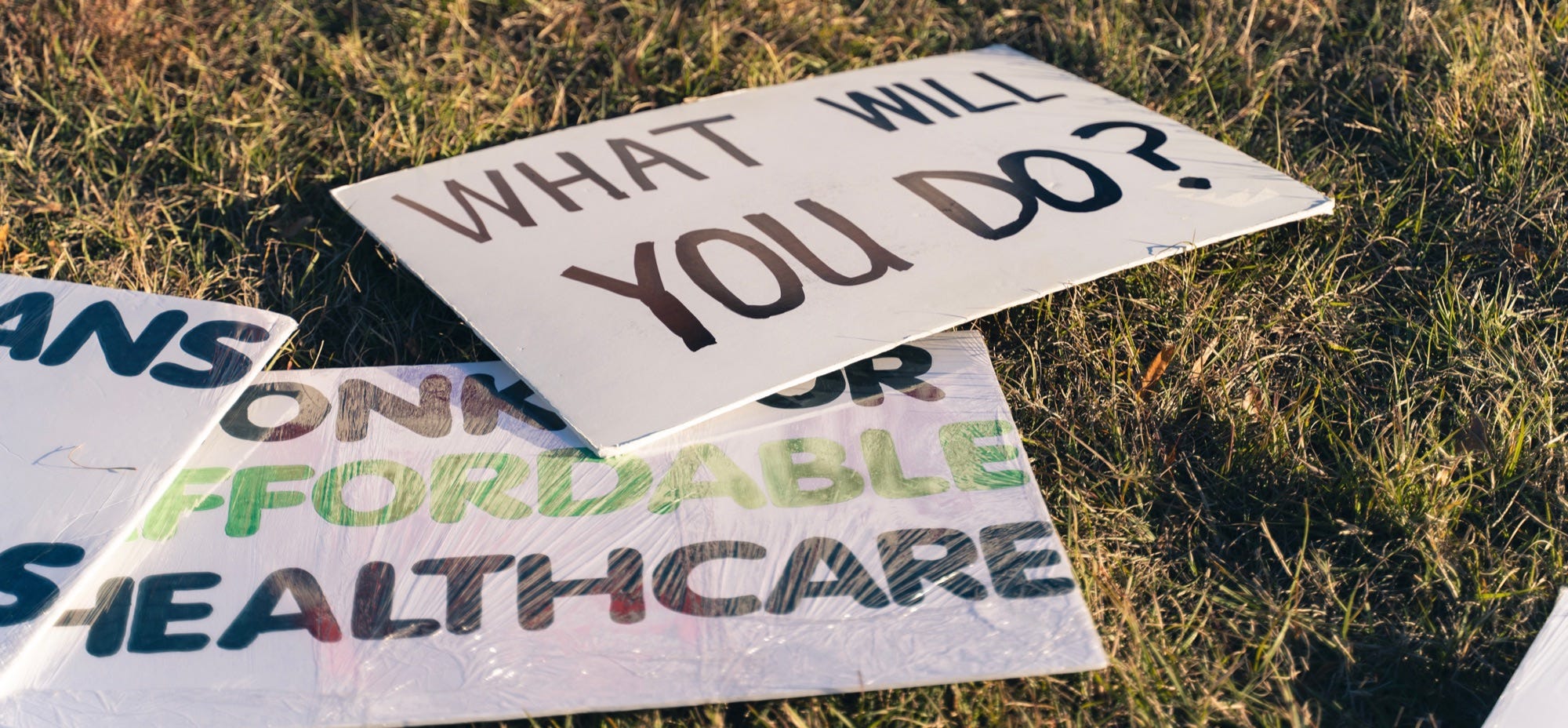
Applebaum thinks that It might be more appealing to sell our “civil freedoms” rather than “democracy”. It’s easier for folks to feel more strongly about that. She also asserts that the use of more creative approaches can be used to object and protest Executive encroachment. For example, perhaps the power of federal government workers like those in our US Postal Service can be leveraged. We can also begin to think about general strikes or targets of weakness, like the Tesla protests, which drew attention to Elon Musk and DOGE. It might also be useful to focus on the President’s crypto businesses, his conflicts of interest, tax cuts for billionaires and the ugly ways folks in the administration are making money and profiting while regular folks are suffering.
Other approaches include:
Battle against autocratic behaviors and reactions, such as people afraid to speak or act in public.
Create coalitions and connections to build group power. Get your friends together to have a political discussion, raise some money, help a local candidate, or go canvassing.
Engage with other people as much as you can.
Links to the Interview Recordings and Related Information
View/listen to the recording and subscribe on Youtube, Spotify, Apple Podcasts or Substack
Anne Applebaum’s website includes
Links to Autocracy Inc and Twilight of Democracy or any of her other books
Articles in The Atlantic and The Washington Post
Her Substack, “Open Letters, from Anne Applebaum”
198 Methods of Nonviolent Action by Gene Sharp
Civil Resistance: What Everyone Needs to Know - Erica Chenoweth

* This article is reposted from our “In the Know” article in our November 2025 newsletter. Visit IndivisibleCLT.org to learn more about our organization and how to join our work!